Should You Attempt to Remove Mold Yourself?
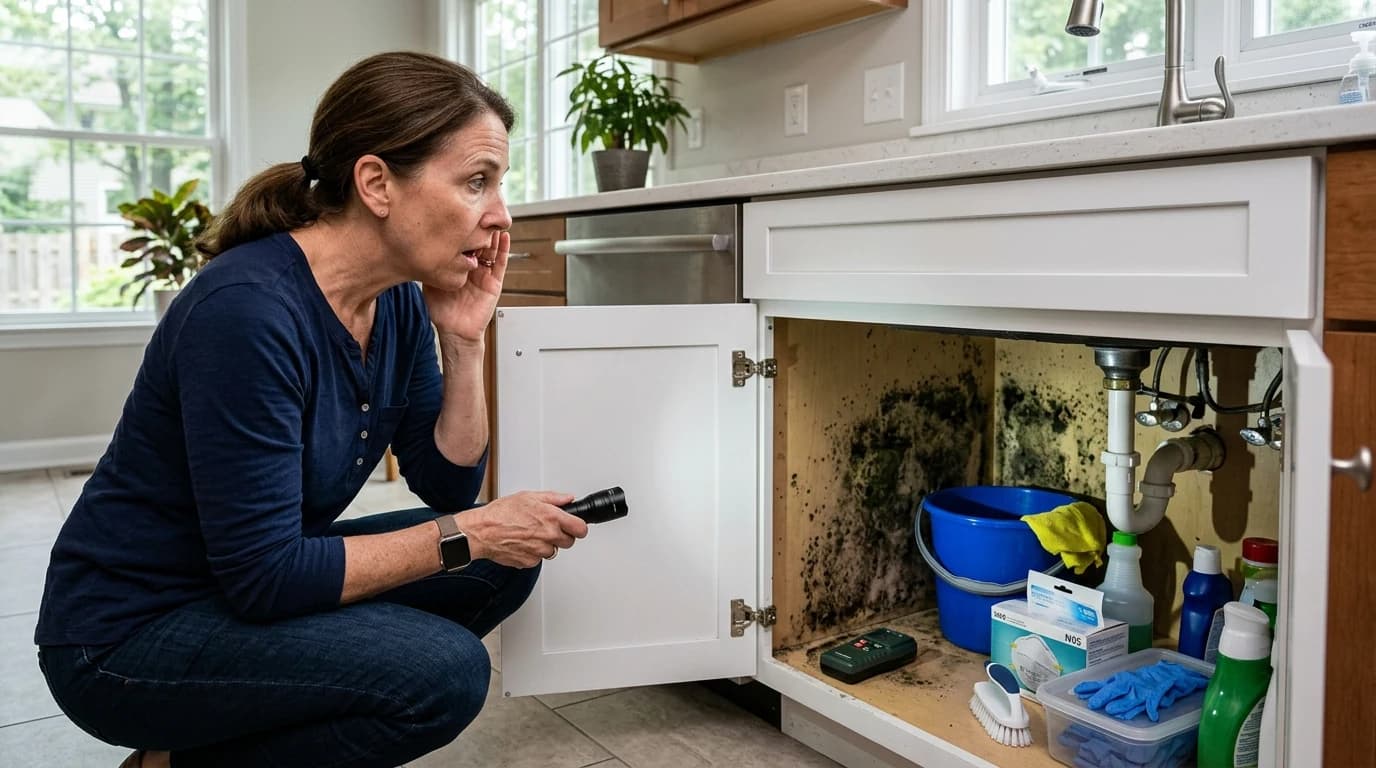
Upon discovering mold, it's natural to consider removing it yourself. However, DIY mold removal is not always advisable, especially for large infestations. Small areas (less than 10 square feet) may be manageable with household cleaning agents like vinegar or baking soda, which can be effective against surface mold. It's crucial to use a respirator mask and gloves to avoid inhaling spores or having them come into contact with your skin. For more extensive mold issues, professional intervention is necessary. Mold spores can be microscopic and easily become airborne during cleaning, leading to further contamination in your home. Professionals use specialized equipment such as HEPA vacuums and air scrubbers to safely and effectively remove mold. They also have access to industrial-strength cleaning solutions that can eradicate mold more thoroughly than typical household products. For guidance on professional services, explore our services page.
How to Protect Your Health and Home?
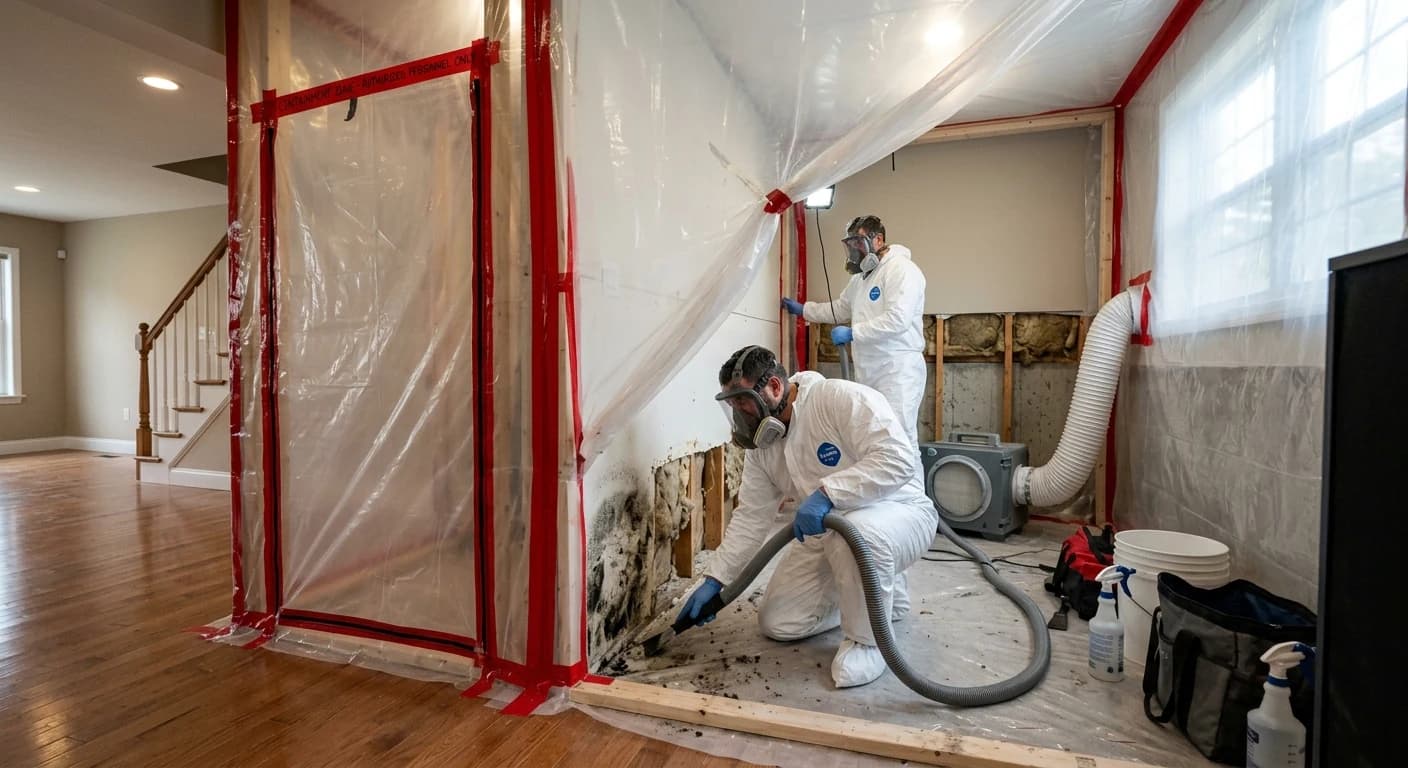
Safety is paramount when dealing with mold. Mold exposure can lead to respiratory issues, allergic reactions, and other health problems, especially for individuals with pre-existing conditions or weakened immune systems. To protect yourself, wear protective gear such as gloves, masks, and goggles to minimize exposure. It's advisable to use an N95 respirator mask, which is more effective at filtering out mold spores than standard dust masks. Isolate the area by sealing it off with plastic sheeting to prevent spore spread. Ensure that the sheeting is securely taped to walls and ceilings to create an airtight seal. Ensure proper ventilation by opening windows, and avoid using fans as they can spread spores further. Instead, use a dehumidifier to reduce moisture levels, as mold thrives in damp environments. Regularly inspect and clean HVAC systems and filters to prevent mold spores from circulating throughout your home.
What's the Next Step After Isolation?
Once the mold-affected area is contained, contact a professional mold removal company for an assessment. They can provide a thorough evaluation and remediation plan tailored to your home’s needs. Look for companies that are certified by professional organizations such as the Institute of Inspection, Cleaning and Restoration Certification (IICRC) to ensure they follow industry standards. Document the mold presence with photos and notes, which can be useful for insurance claims and professional assessments. Taking detailed photos of the affected areas from multiple angles can help create a clear record of the damage. Additionally, keep a log of any health symptoms you or your family experience, as this information may be relevant for medical consultations or legal purposes. After contacting professionals, you might want to notify your insurance provider to understand your coverage options. Some policies cover mold remediation, especially if the mold results from a covered peril like a burst pipe. Keep all receipts and documentation related to the mold discovery, as these will be important for the claims process.
Prevent Future Mold Growth
Preventing mold from returning is crucial once the initial problem has been addressed. Start by identifying and eliminating sources of moisture, as mold thrives in damp environments. Regularly inspect areas prone to moisture, such as basements, bathrooms, and kitchens, for signs of leaks or water damage. Repair any leaks in plumbing or roofing promptly to prevent water accumulation. Consider installing a dehumidifier in areas with high humidity levels to maintain a dry environment. Aim to keep indoor humidity levels below 50% to inhibit mold growth. Improve ventilation in your home by using exhaust fans in bathrooms and kitchens, and ensure that your home's HVAC system is well-maintained with clean filters. Regularly clean and inspect gutters to ensure proper drainage away from your home’s foundation. Additionally, be mindful of indoor plants, as overwatering can contribute to moisture buildup. Using mold-resistant products, such as mold-resistant drywall or paint in areas prone to dampness, can also be beneficial. In Paramus, NJ, where humidity can fluctuate, these preventive measures are particularly important to maintain a mold-free home.
Legal and Insurance Considerations
Understanding your legal and insurance obligations regarding mold is essential. First, review your homeowner's insurance policy to determine if mold damage is covered. Coverage often depends on the cause of the mold, with damage from sudden incidents like burst pipes more likely to be covered than issues arising from neglected maintenance. If you rent your property, familiarize yourself with local landlord-tenant laws regarding mold. In many places, landlords are responsible for maintaining a habitable environment, which includes addressing mold issues. Document all communications with your landlord or insurance provider, including emails and phone calls, to have a record of your efforts to address the mold problem. If you encounter resistance or denial of coverage, consider consulting a legal professional who specializes in property law. They can provide guidance on how to proceed and protect your rights. Keeping thorough records of all mold-related expenses, such as professional assessments and remediation costs, will be invaluable if you need to prove your case to an insurer or in a legal setting.
Choosing the Right Mold Remediation Professional
Selecting a qualified mold remediation professional is crucial to effectively addressing the problem and preventing recurrence. Begin by researching local companies with strong reputations and positive customer reviews. Look for professionals with certifications from recognized organizations such as the Institute of Inspection, Cleaning and Restoration Certification (IICRC) or the National Organization of Remediators and Mold Inspectors (NORMI). These certifications indicate that the company adheres to industry standards and best practices. When contacting potential companies, inquire about their experience, particularly with cases similar to yours. Request a detailed proposal that outlines the scope of work, estimated costs, and timeline for completion. It's important to understand the methods they will use, including containment strategies and cleaning agents, to ensure they are using safe and effective practices. Ask about their follow-up procedures to verify that mold levels are reduced to acceptable levels post-remediation. Additionally, confirm that the company carries appropriate insurance, including liability and workers' compensation, to protect yourself from potential liabilities. Trust your instincts during the selection process; a professional who communicates clearly and addresses your concerns is likely to provide a higher level of service. By choosing the right expert, you can ensure that the mold issue is resolved thoroughly and that your home is safe and healthy.
Understanding Mold Testing and Inspection
Mold testing and inspection are critical steps in identifying the extent of a mold problem and determining the appropriate remediation strategy. A professional mold inspector can conduct a thorough assessment of your home, using specialized equipment to detect hidden mold and measure spore concentrations in the air. During the inspection, the professional will visually examine common problem areas, such as basements, attics, and bathrooms, and may take samples from surfaces or the air for laboratory analysis. These tests can help identify the type of mold present and the severity of the infestation. It's important to note that not all molds are harmful, but some can cause significant health issues, making accurate identification essential. If you suspect mold but cannot see it, an inspection is particularly valuable in uncovering concealed growth behind walls or under flooring. After the inspection, the expert will provide a detailed report with their findings and recommendations for remediation. This report can also be useful if you need to negotiate with your insurance company or a landlord. In New Jersey, where humidity levels can contribute to mold growth, regular inspections can be a proactive measure to prevent serious infestations. By understanding the scope of the problem, you can take informed steps to protect your home and health.